Category: 歴史

  • Aristocracy’s fun after a typhoon

    A typhoon is approaching. I folded up the tent I set up in the garden.

    The typhoon is moving slowly around Kyushu and is expected to then change course toward the Kansai region.

    The Tale of Genji describes a scene from the day a typhoon passed. The storm destroyed the blinds on the door of a house, allowing a nobleman to catch a glimpse of the woman he admired.

    The house needs to be repaired after the typhoon has passed. But that is the job of the servants. The nobleman’s interest was always in the woman he admired.
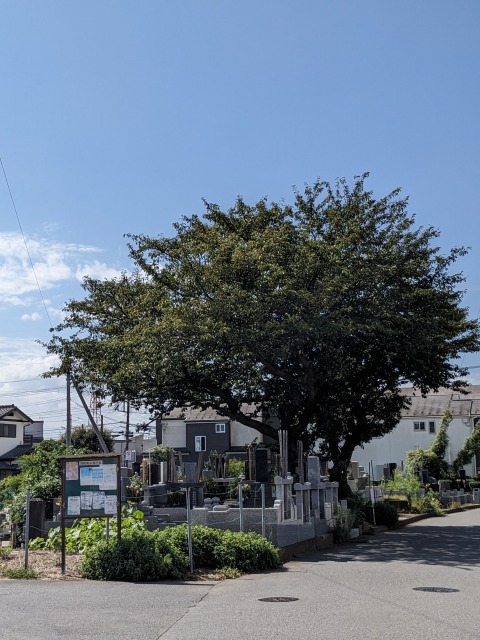

  • Unfortunately, I was unable to find a grave of Boshin War soldier

    Two large cherry trees mark this cemetery.

    I left home in the morning with the intention of finding the graves of soldiers who died in the Boshin War, mourning their souls, and investigating the graves.

    The cemetery I will be investigating today is located in a small communal cemetery that contains the graves of local residents.

    As soon as I arrived at the cemetery, I started looking for the grave I was looking for. However, I couldn’t find it easily. I walked back and forth many times in the not so large cemetery.

    Today, the Obon festival has passed and it is near the end of August, but the temperature was 33°C and the sun was shining brightly, making it a very hot day. It was unfortunate that I could not find the grave I was looking for, but I decided to stop searching because I was worried about my health.

    At the communal cemetery, I asked an elderly local woman and a middle-aged man who had come to visit his grave where the soldiers’ grave was. Neither of them knew about the soldier’s grave that I was looking for.

    It was unfortunate that I was unable to find the grave I was looking for, but actually visiting and investigating the site was a very meaningful experience for me.

  • Investigating YONEYAMA Ancient Tomb

    I investigated the Yoneyama Tomb today. I investigated the Yawatayama Tomb in June. This is my second time investigating a tomb.

    There is a temple at the foot of the burial mound. This temple is the historical site where the Sanada clan of Ueda Castle became enemies and fought each other.

    Next to the temple, there is a narrow path that leads up to the top of the burial mound. Large stones are exposed on the ground. On both sides, there are tall trees. A large tree branch lies at my feet. The slope is quite steep.

    I started to climb the hill. Spider webs were sticking to my face. Mosquitoes were biting my legs and arms.

    I reached the top, where there were three shrines, but no indication of a burial mound.

    It was disappointing that I couldn’t find anything related to the ancient tomb, but it seemed quite fitting that there was a shrine standing on the site of the tomb.

  • 馬克思將歷史定義為「階級社會」

    歷史其實是一個「角色社會」。

    然而,卡爾·馬克思將歷史定義為「階級社會」。
    時至今日,人們仍然相信這一點,並已成為常識。

    「馬克思主義」也許已經消失,但「馬克思歷史觀」仍然存在。

  • マルクスは歴史を「階級社会」として定義した

    歴史は、本当は「役割社会」であった。

    しかし、カール・マルクスは歴史を「階級社会」として定義した。
    いまでもそれは信じられ、常識となった。

    「マルクス主義」はなくなったかもしれないが、「マルクス史観」はいまでも健在だ。

  • Marx defined history as a “class society”

    History was actually a “role society.”

    However, Karl Marx defined history as a “class society”.
    This is still believed today and has become common knowledge.

    “Marxism” may have disappeared, but “Marx’s view of history” is still alive and well.

  • 令和6年3月15日 上野で展覧会を見た

    昨日3月14日、日差しはだいぶ春めいてきたけれど、空気は思いのほか冷たく、外出には冬のコートが必要な日であった。

    午前11時ごろ家を出て、JR総武線に乗って上野公園に向かった。

    上野駅の公園口を出ると、花見の時期にはまだ早く、平日だというのに、たくさんの人がいて驚いた。

    外国人の旅行客の姿が、ここひと月ほどで急に増えた。

    東京国立博物館に入り、本館で開かれている中尊寺展を見ようと思ったが、会場に入る人の列が、玄関の車寄せに並んでいるのを見て、先に東洋館に入って、中国仏像と、清時代の書家、呉しょう石の展覧会を見ることにした。

    中国仏像は1階に展示されていた。6、7世紀、西魏、東魏、隋時代のものが多かった。

    そのあと、大きな窓があり、館内が見えるエレベータで4階に昇り、呉しょうせきの作品を見た。

    東洋館を出て、中尊寺展に入るための列はどうなっているのか、本館玄関前を見たら、まだ30分まちの列ができていた。

    わたしたちは博物館内にある法隆寺宝物館に向かった。

    もう一度、正門の横を通り抜けて、東京藝術大学のほうに向かって歩くと、博物館の奥まった敷地に法隆寺宝物館が建っていた。

    奈良にある法隆寺のお宝が東京で見られるとは、なんと幸せなことかと俺はいつも思っている。

    宝物館では観音菩薩立像を主に見た。

    数十体見たが、どれも飛鳥時代のものであり、すべて重要文化財であった。

    一体一体表情やしぐさが違う。

    1300年前の仏像なのに輝くばかりに綺麗だ。

    観音菩薩を見終わり、宝物館のなかに設置されているレストランで遅い昼食をとることにした。

    ホテルオークラが出店しているカフェレストランだった。内装や調度品は簡素でカジュアルな店だ。

    メニューをみるとカフェ中心のようで、食事メニューは限られていた。

    わたしはハッシュドビーフ、妻はエビピラフを注文した。

    食事が終わり、テーブルでスマホから中尊寺展の込み具合を確認すると、待ち時間はなくなっていた。

    わたしたちはレストランの会計を済ませて、中尊寺展の会場へと向かった。

  • 令和6年2月2日 中世千葉歴史の解像度を上げる

    令和6年2月2日 中世千葉歴史の解像度を上げる

    解像度を上げる3点セット
    ・千葉氏
    ・妙見菩薩
    ・将門信仰

  • 令和6年2月1日 千葉県歴史の解像度を上げる

    神話時代
    ・日本武尊

    石器時代~古墳時代
    ・貝塚
    ・埴輪
    ・古墳

    鎌倉~戦国時代
    ・里見氏
    ・千葉氏
    ・水運、街道

    江戸時代
    ・牧
    ・日蓮上人
    ・水運、街道

    明治~敗戦
    ・軍施設
    ・軍の鉄道(軽便鉄道、鉄道連隊演習線)